02
Cross the dramatic High Atlas Mountains

Cross the High Atlas from Marrakech to Ait Ben Haddou through the Tizi n’Tichka Pass, with scenic stops, time to explore the historic ksar and a visit to Ouarzazate before returning to Marrakech. This private day trip combines mountain landscapes, traditional architecture and two of southern Morocco’s best-known destinations in one full day.
The road begins to climb soon after leaving Marrakech. City streets gradually give way to open valleys, stone villages and the changing colours of the High Atlas Mountains. This Ait Ben Haddou day trip from Marrakech is designed around that contrast: part mountain crossing, part historical visit, and part time simply taking in one of southern Morocco’s most distinctive landscapes.
Your driver collects you from your accommodation in Marrakech in the morning before heading towards the Tizi n’Tichka Pass. Rather than treating the drive as something to rush through, the route allows for selected stops where the mountain scenery is particularly striking. Depending on traffic and road conditions, there is time for photographs, coffee or simply a short break from the vehicle.
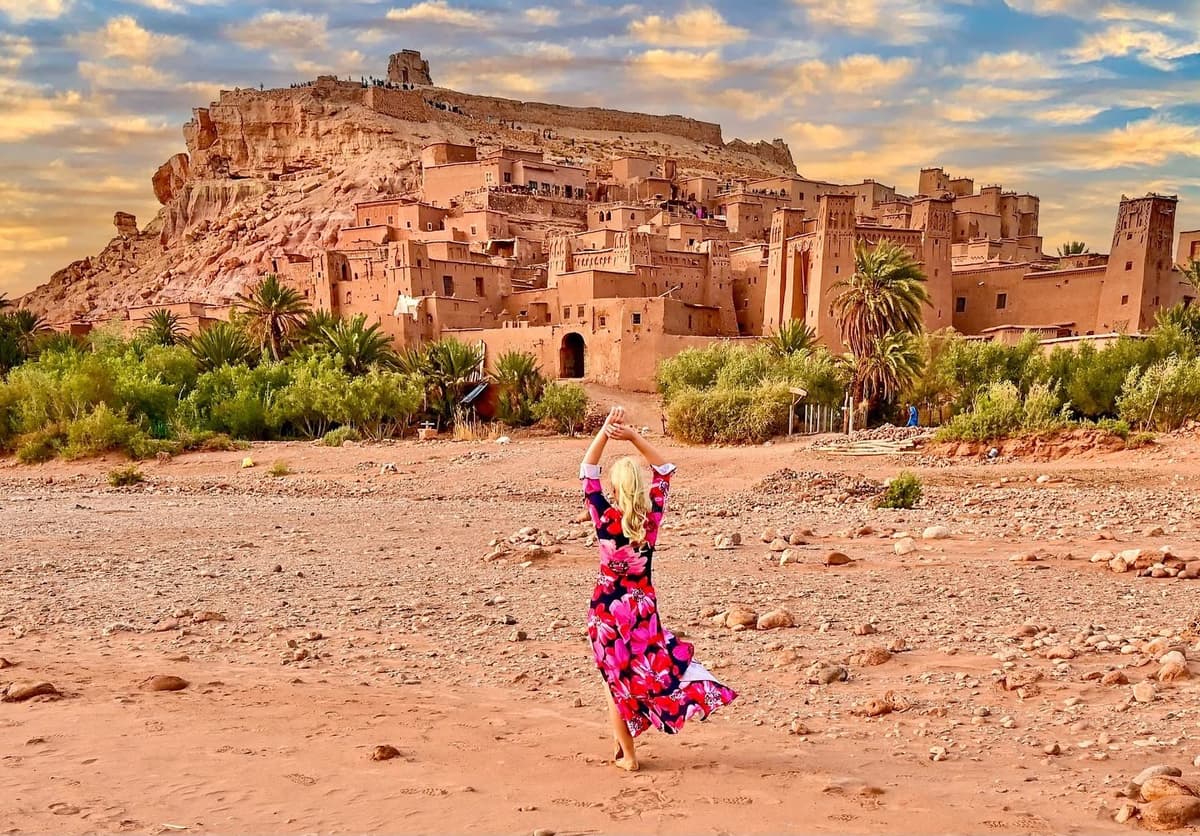
On the southern side of the Atlas, the landscape becomes noticeably drier. Earth-built villages appear along the road before Ait Ben Haddou finally comes into view. The fortified settlement rises above the valley in layers of ochre walls, towers and narrow passages, creating a completely different atmosphere from Marrakech.
You will have time to enter the ksar and walk through its lower streets, with the option of continuing towards the upper viewpoints if you are comfortable with the climb. The pace is intentionally flexible, giving you enough time to look around rather than treating the village as a quick photo stop.
After lunch, the route continues towards Ouarzazate, a city closely associated with southern Morocco’s kasbah landscapes and film industry. Time is reserved for a panoramic look at the city and, depending on the chosen program, you can stop near Taourirt Kasbah or one of the local film studios before beginning the return journey to Marrakech.
This is one of the longer day trips from Marrakech, but the distance is part of what makes the day memorable: within a few hours, the scenery shifts from the Marrakech plain to high mountain passes and finally to the earthen architecture of Morocco’s pre-Saharan valleys.
Highlights
From the road through the Atlas to the atmosphere of the destination itself, these are the details that give the day its character.
Private day trip from Marrakech to Ait Ben Haddou
Cross the dramatic High Atlas Mountains
Drive through the Tizi n’Tichka Pass
Selected panoramic stops along the mountain road
Walk through the historic ksar of Ait Ben Haddou
Time to reach the upper viewpoints at your own pace
See traditional earthen architecture and fortified houses
Flexible lunch stop near Ait Ben Haddou or Ouarzazate
Visit Ouarzazate
See the surroundings of Taourirt Kasbah or the film studios
Private air-conditioned transport throughout the day
Day by day
Your day starts with pickup from your hotel, riad or the nearest vehicle-accessible meeting point in Marrakech. Once everyone is comfortable, the road turns southeast towards the High Atlas Mountains.
The climb becomes more noticeable as the road passes mountain villages and narrow valleys. The landscape changes constantly, with rocky slopes, terraced hillsides and wide views appearing around each bend.
Several short stops can be made along the mountain road depending on weather, traffic and the interests of the group. These breaks are useful for photographs, stretching your legs or simply taking in the scale of the Atlas.
Reach Ait Ben Haddou and begin exploring the fortified ksar. Narrow passages lead between traditional earthen buildings, small shops and residential areas before gradually climbing towards higher viewpoints over the valley.
You can keep the visit relaxed or continue towards the upper part of the village for broader views. A local guide can also be arranged separately if you would like a more detailed explanation of the architecture and history.
Take a break for lunch at a restaurant overlooking the surrounding valley or continue towards Ouarzazate for a wider choice of restaurants. Lunch is not included, allowing you to choose according to your preferences and budget.
Continue to Ouarzazate after lunch. The visit includes time to see the city and its surroundings, with the possibility of stopping near Taourirt Kasbah or a film studio. Entrance tickets are not included unless confirmed separately.
Leave Ouarzazate and begin the return towards Marrakech through the High Atlas. The afternoon crossing offers a different light over the mountains and additional short stops can be made when practical.
Arrival time depends on traffic, road conditions and the length of the stops made during the day. Drop-off is at your accommodation or the most convenient vehicle-accessible point nearby.
Tour details
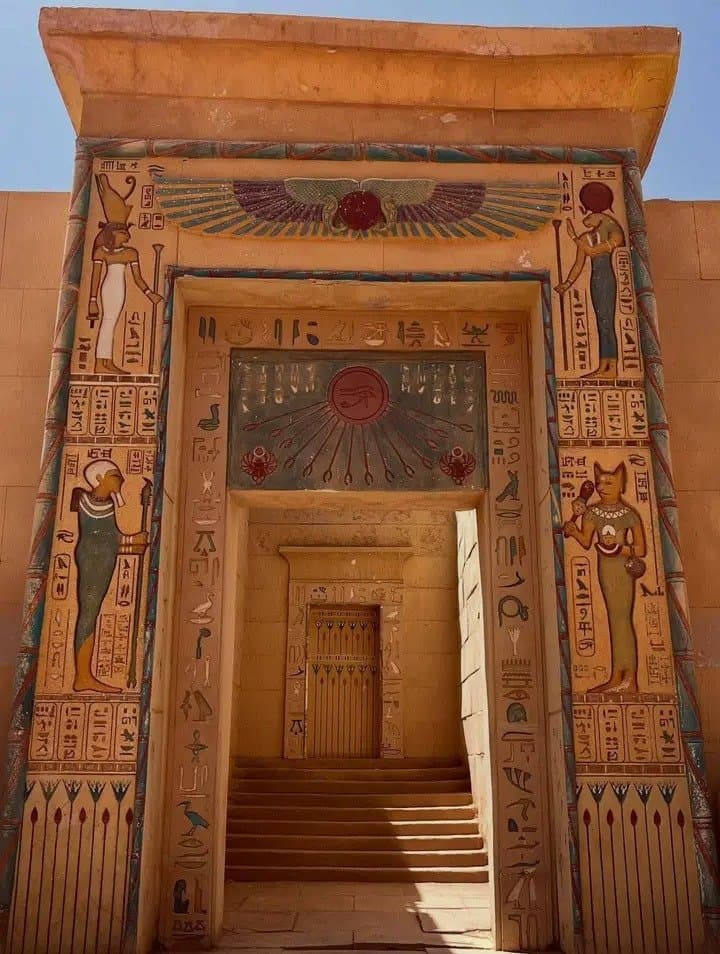
This is not simply a transfer from Marrakech to Ait Ben Haddou. The High Atlas crossing is built into the day, with enough flexibility for short stops when the scenery deserves more than a view through the window.
Ait Ben Haddou is more interesting when you move beyond the first viewpoint. The schedule leaves room to walk through its passages, look closely at the earthen buildings and climb higher if you wish.
Your transport is private, which means the day can respond better to traffic, weather and your preferred pace. Stops do not have to follow the rigid timing normally associated with large group excursions.
Some travellers prefer to spend longer at Ait Ben Haddou, while others want to see more of the surrounding region. The Ouarzazate portion is therefore treated as an option rather than something that forces the rest of the day to feel rushed.
Lunch, entrance tickets and a local guide inside Ait Ben Haddou are separate expenses. Keeping these items transparent means you can decide what you actually want to add during the day.
The route combines the historic ksar of Ait Ben Haddou with a visit to Ouarzazate, allowing you to see two different sides of the region without turning the day into a rushed checklist.
Continue exploring
More private excursions you may want to add to your time in Marrakech.
Private Day Trip
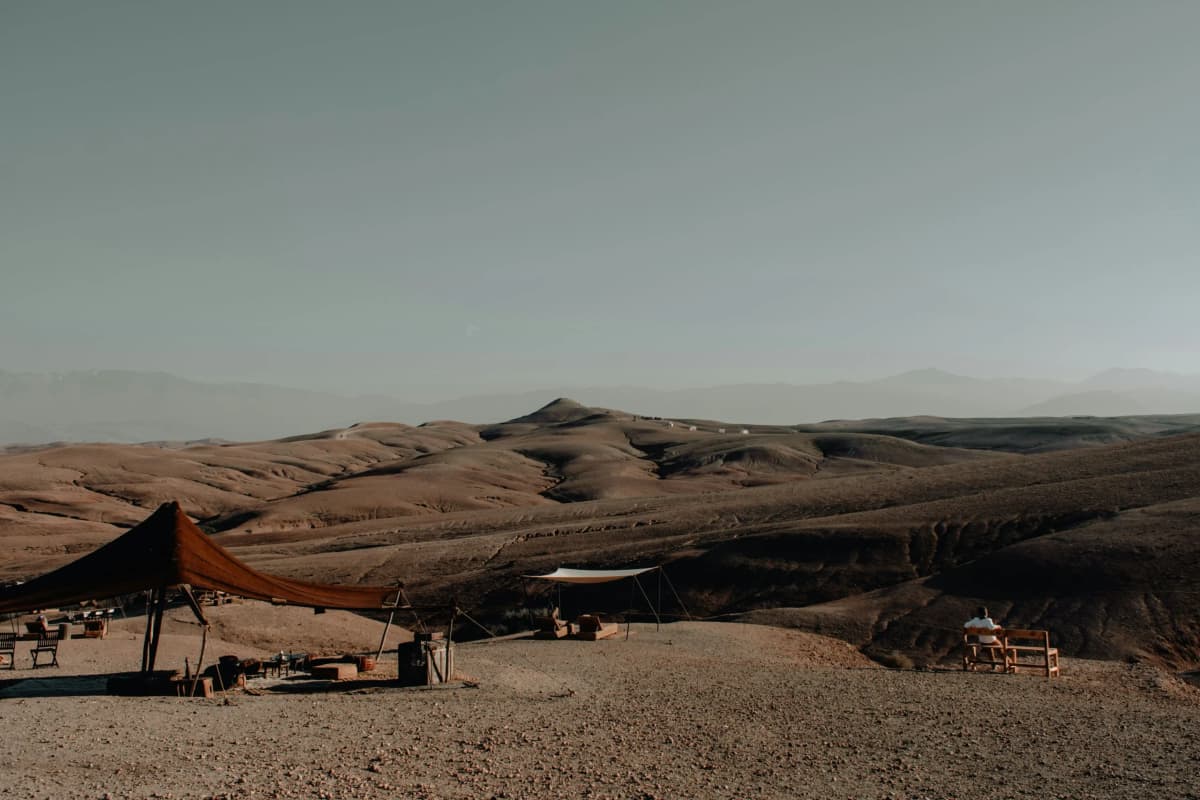
Trade Marrakech’s busy streets for the open, stony horizons of Agafay. This private Agafay Desert day trip combines off-road landscapes, an Amazigh village encounter, mint tea, a camel ride, lunch at a desert camp and time around Lalla Takerkoust, all within easy reach of the city.

Private Day Trip
Start the day above the Marrakech countryside with a sunrise hot air balloon flight over the Haouz plain and the distant Atlas Mountains. This premium morning experience includes early pickup, balloon preparation, a scenic flight, breakfast after landing and return transfer to Marrakech.
Private Day Trip
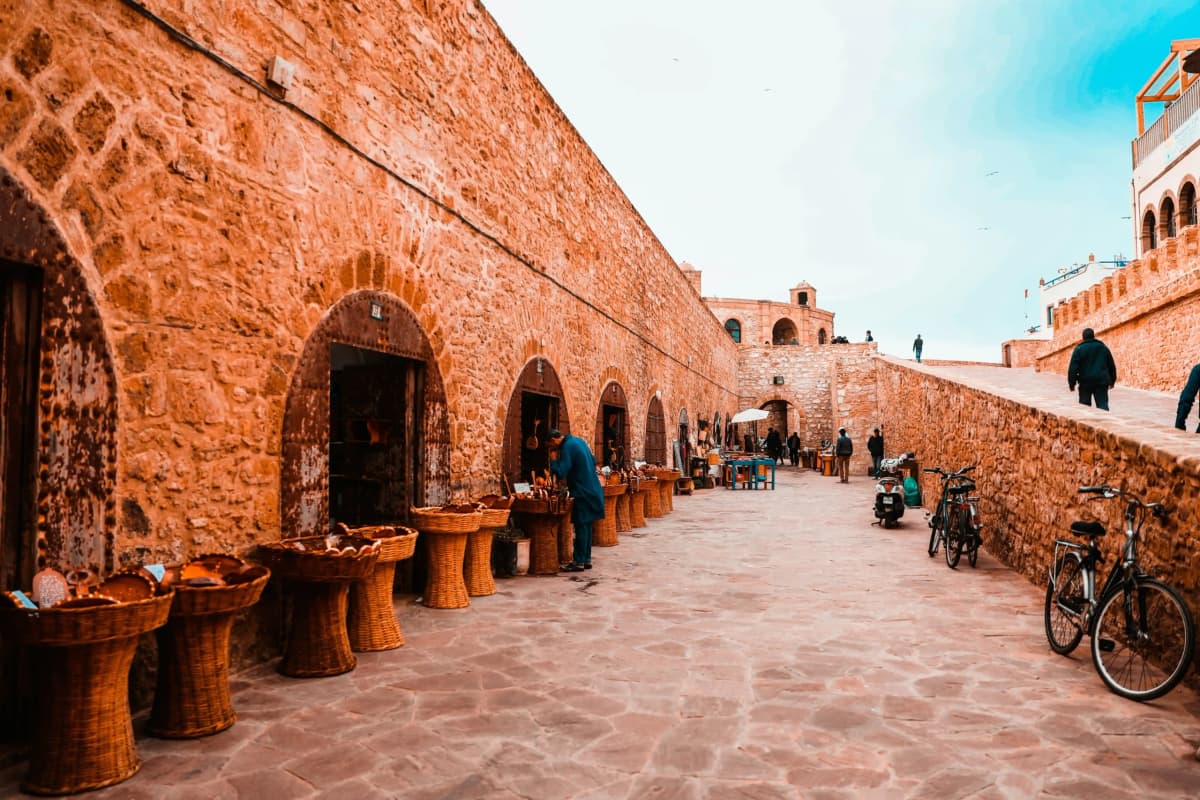
Swap Marrakech’s inland energy for Atlantic air on a full-day trip to Essaouira. The route passes the Haouz plains and argan-growing countryside before reaching the historic coastal city, where you have time to explore the medina, fishing port, ramparts, beach and cafés at your own pace.
Follow Luxury Morocco Destinations for a closer look at Morocco — Sahara sunsets, Marrakech streets, Atlas landscapes, coastal escapes, and moments from our private luxury tours.