
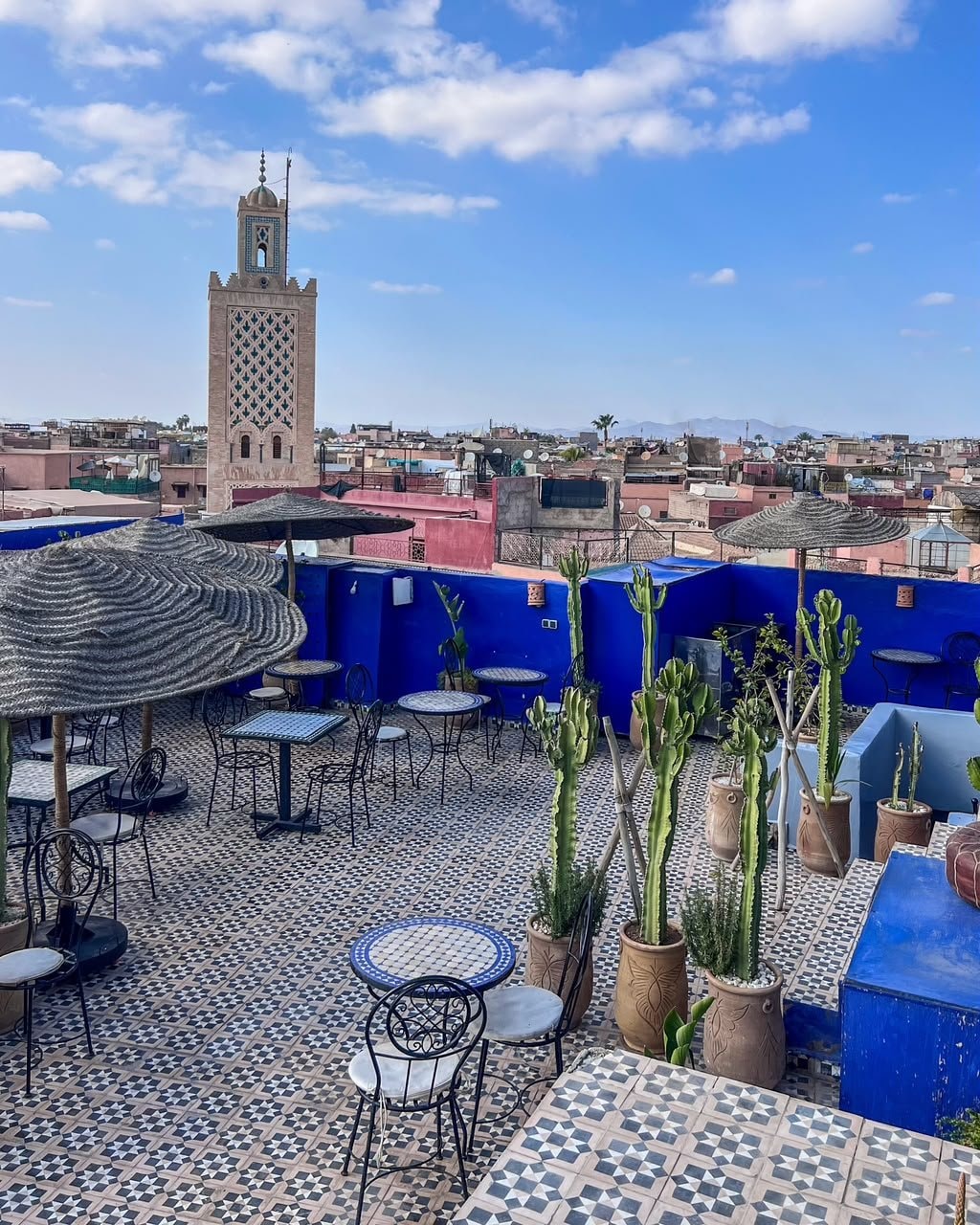
Is Marrakech safe? It is a sensible question to ask before booking your first riad, planning an evening in the medina or choosing a tour. The useful answer involves both national travel advice and the smaller decisions you make throughout your stay.
You might picture colourful market stalls, a quiet courtyard breakfast and dinner on a rooftop. Planning how to move between those experiences helps you enjoy them with more confidence. Knowing where you are staying, how you will get home and which services you have actually booked can remove much of the uncertainty of a first visit.
This guide covers Marrakech medina safety, shopping, transport, evenings out and solo travel, with practical suggestions you can use before arrival.
Is Marrakech Safe for Tourists? Start with Current Advice
As checked on 16 September 2026, the US Department of State lists Morocco at Level 2: Exercise Increased Caution, citing terrorism risk. Its advisory was issued on 4 September 2026. This is national guidance rather than a safety rating for individual Marrakech streets. Read the official Morocco travel advisory before departure and check for updates during your trip.
For everyday sightseeing, Australian guidance identifies theft, scams and people posing as official guides among the issues visitors should consider. Occasional violent crime is reported too, so it would be misleading to describe every risk as a minor inconvenience. See Smartraveller’s Morocco safety guidance.
Your itinerary should reflect your own comfort level. If arriving in a new city after dark feels stressful, arrange the first transfer and evening meal in advance. If you enjoy exploring independently, leave time to learn the route around your accommodation before attempting a packed sightseeing day.
Marrakech Medina Safety: Make Your First Walk Simple
For your first outing, choose a short route with a clear destination and a familiar way back. Save your accommodation’s map pin, telephone number and written directions before you leave. Ask the host to point out one recognisable landmark near the entrance.
A useful question is: “What is the easiest route back here from the place I am visiting?” That gives you more practical information than asking whether an entire district is safe.
Keep the first walk flexible. You do not have to fit the souks, a museum, shopping and a restaurant reservation into the same afternoon. Choose one main activity, allow time for a break and return while you still recognise the route.
When you need directions
Step aside before checking your phone rather than stopping in the middle of a passage. If the directions remain unclear, call your accommodation and describe a visible shop sign or landmark. You can ask a staffed business for help without agreeing to follow someone elsewhere.
If a stranger proposes a different route or an unexpected visit, take a moment to decide whether it fits your plans. You are free to decline. A brief “No, thank you” is enough; you do not need to explain your whole itinerary.
Should you book a guide?
A guided introduction can be useful if you want historical context or help organising your first walk. Ask about the duration, meeting point, language, entrance fees and whether shopping stops are included. Verify the guide’s official identification and authorisation, as advised in the UK guidance on tourist guides.
Shopping in Marrakech: Agree on the Details Before Paying
Before shopping, decide how much you are comfortable spending and whether you have room in your luggage. A purchase is easier to evaluate when you are not also rushing to a tour departure.
For an item you want to buy, clarify:
- The total price and currency.
- Whether you are buying the exact item displayed.
- Whether packaging or delivery costs extra.
- For shipped goods, the written delivery terms and any charges payable on arrival.
Inspect your purchase before it is wrapped and keep the receipt. Australian travel advice warns about goods being substituted and duplicate card charges. Keep your card in view during payment and check the amount shown on the terminal. These are practical precautions highlighted in Smartraveller’s Morocco advice.
A friendly conversation does not require a purchase. If you want more time, say so and leave the decision for later. For any optional service or photograph involving payment, establish the cost before participating.
Is Marrakech Safe at Night?
Plan your return before going out. The UK advises avoiding quiet areas, particularly after dark. A busy restaurant address does not tell you what the final walk to your accommodation will be like. Check that route with your host and arrange transport when appropriate. See the official advice on personal safety.
Before dinner, confirm your return meeting point and keep enough phone battery for a call. If your accommodation has a late check-in procedure or a locked entrance, ask how it works before leaving.
When travelling with companions, agree whether you will return together. If plans change, send an update rather than assuming everyone knows where you are. Choosing a restaurant closer to your accommodation can also make the first evening easier.
Taxis and Arrival Transfers: Confirm the Journey First
Have the accommodation name and address ready to show your driver. Before setting off, confirm the destination and either the meter or the agreed fare. The UK advises checking the meter or agreeing a price in advance, and notes concerns about unlicensed vehicles booked through some ride-sharing applications. Check its transport guidance.
For a prearranged arrival transfer, keep the booking details available offline. Confirm the driver’s meeting point, a contact number, luggage requirements and what happens if your flight is delayed.
If you are staying in the medina, ask your accommodation whether the vehicle can reach the door. If the final section is on foot, agree where you will meet the host or their representative. This is especially useful when travelling with children, heavy luggage or limited mobility.
Solo Travel and Women Visiting Marrakech
Solo travellers should plan for situations in which a companion would normally help: finding the accommodation, keeping track of belongings and arranging a return journey. Women travelling alone may experience unwanted attention or harassment, according to Canada’s Morocco travel advice.
Choose accommodation that answers your practical questions clearly. Ask who is available if you need assistance, how late the entrance is staffed and how to contact someone outside reception hours.
Share your accommodation details and broad itinerary with someone you trust. You can begin with a guided visit, then decide which outings you feel comfortable doing independently. You do not need to share your room number, where you are staying or whether you are alone with someone you have just met.
If an interaction makes you uncomfortable, you do not have to continue it out of politeness. Head towards a staffed business or your accommodation and ask for assistance.
Choosing a Riad or Hotel: Ask About the Actual Stay
Photographs show the courtyard and the room; they rarely explain your arrival. Before confirming a booking, ask for practical details:
- Where will the taxi or transfer drop you off?
- Who will meet you if you arrive late?
- How do you enter the property at night?
- Are stairs involved, and is the room suitable for your mobility needs?
- Is there a secure place for valuables?
Read recent reviews for information about communication, access and check-in. A clear, specific reply from the property is more useful than a general reassurance about the whole neighbourhood.
Money, Cards and Important Documents
Organise payments so you do not need to open your main wallet repeatedly. Keep a separate record of your bank’s contact details and know how to freeze a card if it goes missing.
Canada’s travel advice recommends protecting your PIN, inspecting ATM equipment and reviewing transactions for unfamiliar charges. It also advises keeping documents and belongings secure and warns of theft in market areas and medinas. Read its crime and card-security guidance.
Store copies of your booking confirmations and insurance information somewhere you can access if your phone is lost. If travelling with another adult, make sure they also know where those details are kept.
Food, Water and Staying Comfortable
Food hygiene, safe drinking water and sun exposure deserve attention alongside personal security. Choose food that is thoroughly cooked and served hot, wash your hands before eating and use sealed bottled water or properly treated water when safety is uncertain. Avoid ice if its water source is unclear. The CDC’s food and water guidance explains these precautions.
Allow time for shade and rest rather than filling every hour with walking. Do not touch unfamiliar animals. If bitten or scratched, wash the wound and seek prompt medical care. For health preparation specific to your trip, consult a clinician and review the CDC’s Morocco travel-health information.
Frequently Asked Questions
Is Marrakech suitable for a first visit to Morocco?
It can be, provided the arrangements suit your confidence and travel needs. Keep the first day simple, confirm your arrival with your accommodation and leave room to adjust your plans. Check current official advice before deciding to travel.
Can I walk around Marrakech after dark?
Assess the actual route with your host and avoid isolated streets. Decide how you will return before heading out. If you are uncertain about the final walk, arrange assistance or transport instead of improvising late at night.
Do I need a guide for the whole trip?
Your arrangements can combine guided visits and independent time. A first-day introduction may help you get oriented. Discuss the route and what is included before booking, and check the guide’s credentials.
Is Marrakech safe for solo female travellers?
Experiences vary, and harassment is a recognised concern. Consider your comfort with unfamiliar routes and unwanted attention when planning. Responsive accommodation, a trusted contact and clear return arrangements can support your decisions without guaranteeing safety.
Can I use the same precautions when taking a day trip?
Some preparations carry over, but each activity needs its own checks. Ask about journey length, walking requirements, vehicle arrangements and what happens if conditions change. Confirm that your insurance covers the activities you choose.
What should I do if something goes wrong?
Move to a safe location if possible and seek local assistance. In an emergency, contact local emergency services. For stolen cards, contact your bank; for a missing passport, contact your embassy or consulate. Keep your insurer’s assistance number accessible before departure.
Plan Your Marrakech Visit with Luxury Morocco Destinations
A useful itinerary begins with how you want to travel: the pace you enjoy, the places that interest you and the support you would like along the way. Leave space for a relaxed meal, an unhurried walk and a change of plan.
Share your dates, arrival details and preferences with Luxury Morocco Destinations, or request a tailor-made Morocco itinerary. Explain whether you prefer a guided introduction, independent time or a combination, so the proposed trip reflects your needs.